
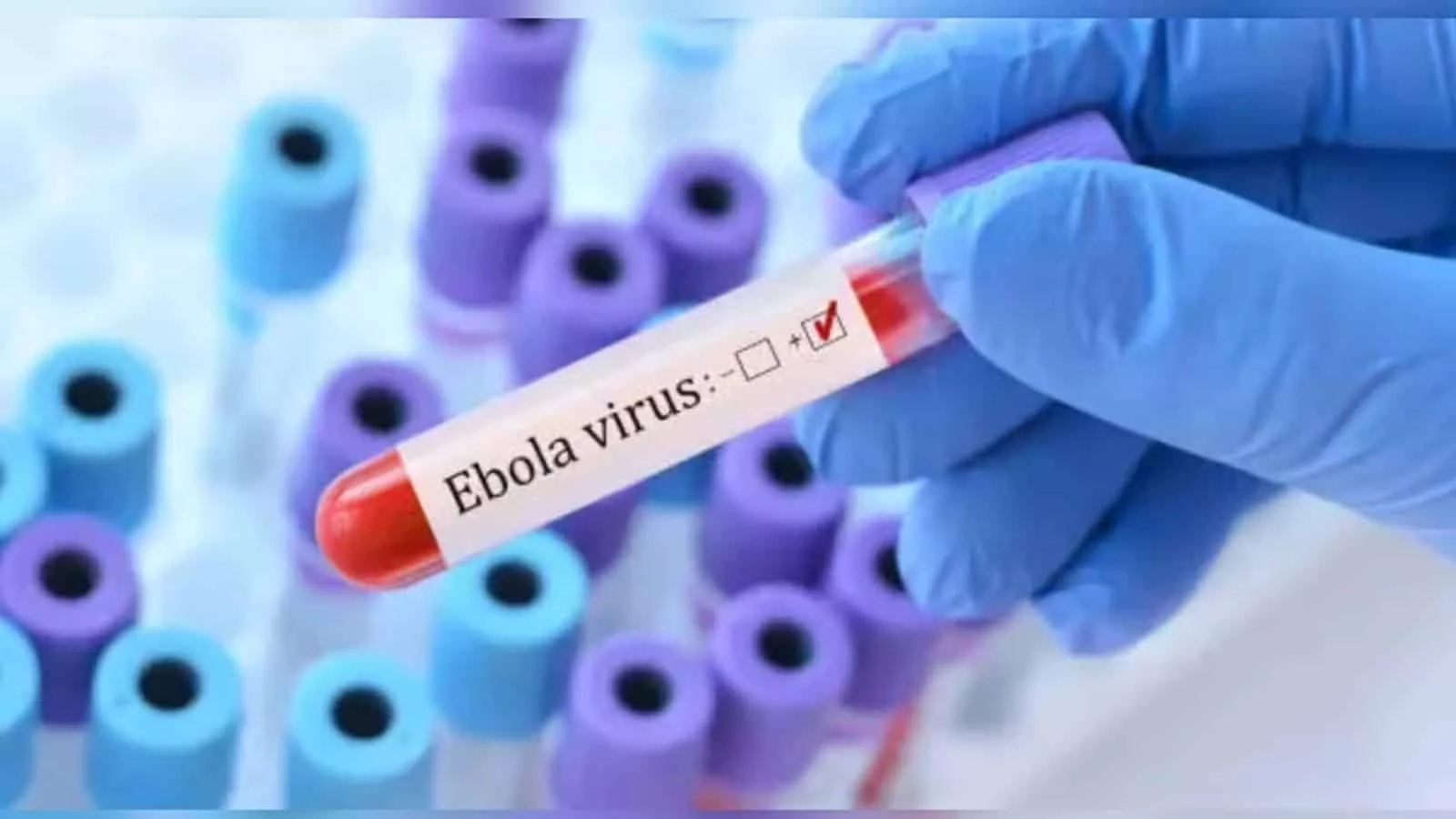
Hyderabad: A Sudanese national who had been sent to Gandhi Hospital’s isolation ward on Thursday, June 4, has tested negative for Ebola, Telangana Health Minister Damodar Raja Narasimha said on Friday, June 5.
The passenger arrived in Hyderabad in the early hours of June 4 on a flight from Ethiopia and was flagged during thermal screening after being found to have a fever and a travel history involving Uganda and South Sudan.
The 35-year-old had come to Hyderabad for knee surgery.
Meanwhile, a second Sudanese national, a student in his 20s, was also referred to Gandhi Hospital on Thursday evening from a private health facility, officials informed on Friday, June 5.
Both passengers’ samples were sent to the National Institute of Virology (NIV) in Pune. Gandhi Hospital’s Superintendent, Dr Vani, told Siasat.com that the second passenger’s results will be available by Saturday, June 6.
She further stated that even though the first passenger has tested negative, they have not been discharged yet as the hospital is waiting for instructions from the National Centre for Disease Control (NCDC).
Also ReadSecond Sudanese traveller isolated in Hyderabad over Ebola scare
Ebola scare in Hyderabad
The Health Minister assured that health screening of international passengers is continuing at Rajiv Gandhi International Airport, in line with the guidelines issued by the Central government.
Individuals exhibiting symptoms are being shifted to the isolation ward established at Gandhi Hospital, where samples are collected and sent to NIV for testing.
Those without symptoms are being advised to isolate at home, and their health status is being monitored for 21 days as a precautionary measure.
Last month, the Hyderabad airport stated that passengers arriving from or transiting through Ebola-affected regions, including Uganda, the Democratic Republic of Congo (DRC) and neighbouring high-risk areas, may be required to complete a self-declaration form (SDF) before deboarding.
What is Ebola?
Ebola is a severe and often fatal disease affecting humans and other primates. It is characterised by sudden fever, intense weakness, muscle pain, and can progress to unexplained bleeding and organ failure.
The virus is transmitted to humans from infected wild animals—such as fruit bats, porcupines, and non-human primates — and subsequently spreads through direct contact with the blood, secretions, organs or other bodily fluids of infected individuals, as well as through contaminated surfaces and materials such as bedding and clothing.
Get the latest updates in Hyderabad City News, Technology, Entertainment, Sports, Politics and Top Stories on WhatsApp & Telegram by subscribing to our channels. You can also download our app for Android and iOS.
