
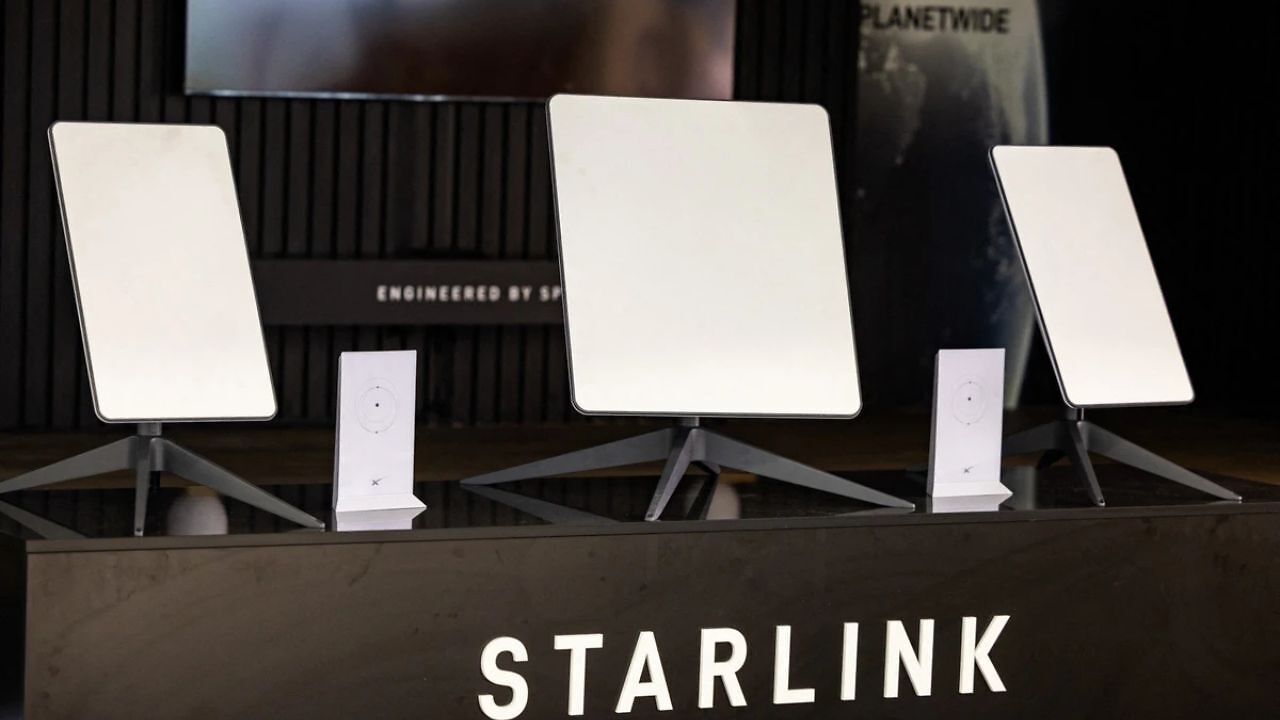
Iran says it will keep cracking down on Starlink, the satellite internet service owned by Elon Musk's SpaceX. A senior cyber official has labeled it a "tool of war" in the hands of Iran’s enemies, and the government is promising tighter limits on the global internet while its conflict with the United States and Israel drags on.
Starlink does not pass through the heavy filtering that Iranian authorities place on the internet, which is exactly why it is banned in the country on national security grounds. Anyone caught using satellite internet or handing out Starlink terminals can face fines or jail time.
Mohammad Amin Aghamiri, secretary of the Supreme National Cyberspace Council, put it bluntly. He said the enemy uses Starlink for command and control, for spying and for gathering information. “We have several systems for cutting off Starlink satellite terminals,” he said, though he gave no details about what those systems are. One of them was used during the January protests, he indicated, and Iran is ready to share the technology with friendly countries.
Iran is not alone here. Several other countries have also banned or limited Starlink over security fears.
There is a physical side too. Patrols and drone searches hunt for terminals, and officials raid places that sell them.
Aghamiri has urged Iranians to rely on domestic platforms supported by the National Information Network. He also backs a tiered system that would give protected international access to chosen groups, such as traders, researchers and journalists, whenever restrictions are in force.
Deputy Technology Minister Mohammad Hafez Hakami raised the alarm at a governance meeting at the end of September. He said Starlink could become “the last nail in the coffin” of Iran’s control over cyberspace if it spreads widely, because it offers unrestricted access.
He traced a pattern of escalation. Telegram was blocked after the 2017-18 cost-of-living protests, but the 2019 protests pushed the government into its first weeklong internet shutdown. WhatsApp and Instagram were blocked after the 2022-23 protests, and the January 2026 protests brought a near-total shutdown. Hakami warned that if this continues, authorities may have to cut electricity during the next crisis, since Starlink does not depend on Iran’s network at all.
Iran has also taken the issue abroad. Since 2023 it has pressed the International Telecommunication Union’s Radio Regulations Board to push the US and Norway, which plays a role in the network’s regulatory filings, to halt transmissions. On October 4, Iran’s foreign ministry summoned the Norwegian ambassador in Tehran to complain that Norway had failed to act against unauthorized Starlink operations.
Sagar is a journalist with an interest primarily in geopolitics and American domestic politics. Before joining Times Now, he wrote for Republic and Sw... View More

Comments (0)
No comments yet. Be the first to share your thoughts!
Leave a Comment
Your comment will appear after moderation. Your email will not be published.