
Wed, Oct 28, 2026 | Jumada al-Awwal 16, 1448 | Fajr 05:06|DXB 31°C
Removing oil from beaches is an important step in tackling a marine spill. But how do authorities determine whether the surrounding marine environment has also been affected?
As clean-up operations continue following the recent oil spill along the UAE's northern coastline, an environmental expert has explained why monitoring water quality, marine habitats and wildlife is an important part of assessing recovery.
Dr Aseel Takshe, Dean of the School of Health Sciences, Digital Innovation and Sustainability at Canadian University Dubai (CUD), said the impact of an oil spill depends on several factors, including the type of oil, where it travels and how quickly it is contained.
Stay up to date with the latest news. Follow KT on WhatsApp Channels.
“The extent of the damage will be shaped by winds, tides, currents, and wave action, which determine where oil moves and whether it reaches sensitive lagoons and islands. The type of oil, the speed of containment, and the care taken during shoreline cleanup will also be decisive.”
The Ministry of Climate Change and Environment (MOCCAE) confirmed on Friday that an oil spill from a tanker was responsible for unusual odours reported across parts of the northern emirates.
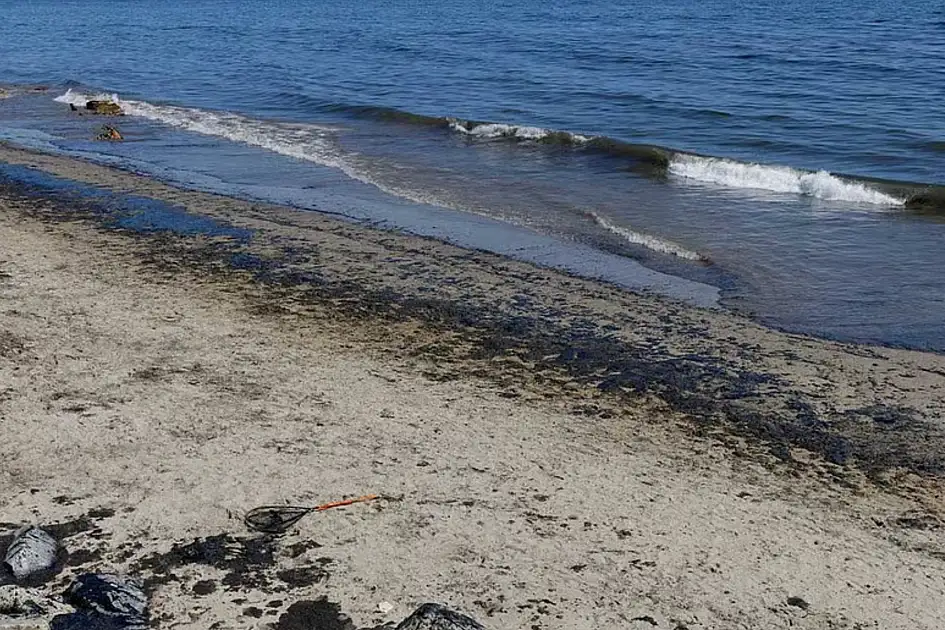
The ministry said marine pollution had reached beaches in Umm Al Quwain, prompting a coordinated response involving federal and local authorities.
Beaches in Umm Al Quwain, Sharjah and Ras Al Khaimah were temporarily closed as specialised teams carried out containment, clean-up and remediation operations. Authorities have reassured residents that the odours posed no health risks.
According to Takshe, while removing oil from beaches and coastal waters is an immediate priority, environmental assessments can help establish whether any contamination remains in surrounding habitats.
Oil can sometimes settle in seabed sediments or become trapped in sheltered coastal areas, where it may remain after visible pollution has been removed.
“The longer-term concern is that oil may persist in sediments and sheltered creeks, continuing to affect marine life after the visible slick has disappeared,” she said.
“This could influence fish recruitment, turtle foraging, bird breeding success, and the health of seagrass and mangrove systems that underpin the wider food web.”
Takshe said the waters around Khor Al Beidah and Al Siniyah Island in Umm Al Quwain support a variety of marine habitats, including mangroves, seagrass meadows, mudflats and coral communities.
These areas provide feeding and breeding grounds for several species of marine life and birds.
“These habitats provide food for green turtles, nursery grounds for commercially valuable fish, and habitat for rays, sharks, and large numbers of resident and migratory birds.”
She explained that sheltered environments such as mangroves and seagrass beds require particular care during clean-up operations because oil, if it reaches them, can become trapped among roots, leaves and sediments.
The condition of these habitats would therefore be an important consideration in assessing the environmental impact of any spill.
There is no single recovery timeline for an oil spill. Takshe said this would depend on the extent of contamination, the habitats involved and the effectiveness of the response.
“Sandy beaches may recover relatively quickly once oil is removed, but mangroves, seagrass meadows, coral communities, and contaminated sediments may require several years to return to full ecological function.”
She emphasised that clean-up operations should be carried out carefully to avoid disturbing sensitive habitats or causing additional environmental damage.
Takshe said continued environmental monitoring could help authorities assess the condition of marine ecosystems and determine whether any additional restoration measures are required.
“Authorities will need to track oil in water and sediments, assess the condition of mangroves, seagrass, corals, and intertidal habitats, and monitor fish, turtle, and seabird populations for signs of stress or unusual mortality.”
Such assessments, conducted over successive seasons where necessary, would help establish how affected areas are recovering and whether further intervention is needed.
“Restoration efforts should therefore be evidence-based, prioritising the protection and recovery of the UAE’s most valuable coastal ecosystems and the species they support,” she said.
“This sustained assessment will help ensure that cleanup decisions remain protective, support the recovery of Umm Al Quwain’s marine environment, and safeguard the natural heritage of the UAE’s coastline,” she added.
Nandini Sircar has a penchant for education, space, and women's narratives. She views the world through a prism of learning: whether it's the earthly pursuit of wisdom or the unearthly mysteries of space. In her written universe, women and children take centre stage.
Shrapnel from 2 ballistic missiles causes material damage in Riyadh: Saudi Arabia
UAE President honours flydubai FZ1073 crew with Order of Zayed II for their courage
UAE driving tests: Why scoring 75% may still not be enough to pass
Iran security chief says 'very good discussions' held with Mecca pact countries
UAE expat to file court case over iPhone seized at Indian airport; what customs law says
©2026 Galadari Printing and Publishing LLC. All rights reserved.



Comments (0)
No comments yet. Be the first to share your thoughts!
Leave a Comment
Your comment will appear after moderation. Your email will not be published.