
Sat, Oct 17, 2026 | Jumada al-Awwal 6, 1448 | Fajr 05:01|DXB 30.5°C
The UAE sought to maintain normal life during Iranian missile and drone attacks earlier this year, keeping malls, restaurants and beaches open while dealing with security threats, a senior Emirati official said on Thursday.
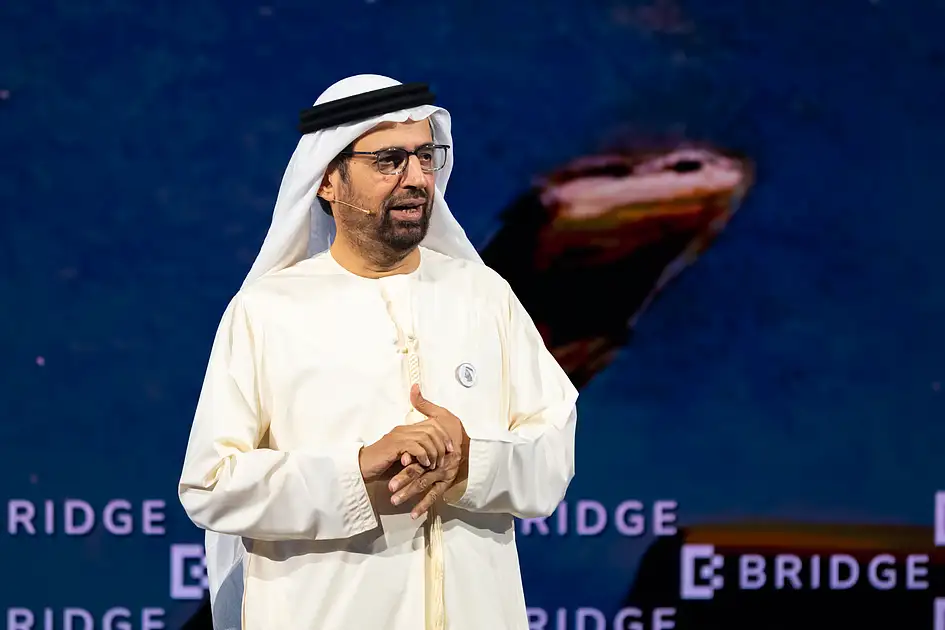
Speaking at the UAE Correspondents' Majlis in Dubai, Dr Ali Rashid Al Nuaimi, Chairman of the Defence, Interior and Foreign Affairs Committee of the Federal National Council (FNC), explained how the country sought to balance protecting residents with ensuring that everyday life continued with minimal disruption.
He said the challenge went beyond intercepting incoming missiles and drones. He referred to sleeper cells that he said were helping Iranian forces guide their attacks. He described the difficulty of identifying potential threats, particularly around sensitive locations, while ensuring that security measures did not unnecessarily disrupt the lives of the population.
Stay up to date with the latest news. Follow KT on WhatsApp Channels.
Gulf and Arab countries have previously referred to destabilising activities allegedly planned by sleeper cells loyal to Iran and organisations linked to Hezbollah. Gulf countries had also announced the dismantling of suspected espionage and sabotage networks. Authorities in Bahrain accused suspects of passing information on sensitive locations to Iranian operatives, while Qatar uncovered alleged cells gathering intelligence on military and vital facilities. The UAE also announced the arrest of individuals allegedly involved in Iran-linked networks planning activities that threatened national security.
As Iranian attacks began on February 28, residents across the UAE received emergency alerts on their mobile phones warning of potential missile and drone threats.
The alerts instructed people to seek shelter in safe locations, remain indoors and stay away from windows and open areas. Once the immediate danger had passed, authorities issued follow-up notifications informing residents that it was safe to resume normal activities.
The National Emergency Crisis and Disaster Management Authority (NCEMA) maintained that the country's early warning system was designed to provide targeted alerts based on geographical location, allowing residents in potentially affected areas to take precautions.
Shopping centres and tourist attractions were continuing to operate, while essential services, including electricity, water, telecommunications and healthcare, remained functional. Air travel, however, faced temporary suspensions and restrictions, with authorities activating emergency air corridors and contingency arrangements to facilitate the gradual resumption of flights.
Residents continued attending Ramadan prayers, visiting malls, exercising and meeting friends, while following official safety instructions whenever alerts were issued.
Dr Al Nuaimi recalled a video call he had with an Israeli acquaintance during the conflict that illustrated the difference in how daily life was being managed. He said the Israeli was surprised to learn that he was at Galleria Mall in Abu Dhabi while missile and drone attacks were taking place.
The Israeli, who was in a shelter at the time, remarked that the UAE was receiving more missiles and drones than Israel. Dr Al Nuaimi said he then walked into a restaurant and showed his acquaintance that it was full of customers.
In a separate discussion about the UAE's international image and its role in promoting coexistence, Dr Al Nuaimi said one million Israelis had visited the Emirates in 2025.
He highlighted the importance of people-to-people engagement in challenging stereotypes and changing perceptions between communities that have historically viewed one another through the lens of conflict.
According to Dr Al Nuaimi, many Israelis arrived in the UAE with deeply ingrained misconceptions about Arabs, but their experiences in the country exposed them to a different reality.
He said visitors interacted not only with Emiratis but also with residents from across the Arab world, including Palestinians, helping them develop a better understanding of communities they might previously have viewed differently.
The UAE and Israel established diplomatic relations under the Abraham Accords in 2020, leading to direct flights, increased tourism and closer commercial ties.
Dr Al Nuaimi also revealed that he had met two delegations the previous day, one Israeli and one Palestinian, as part of his efforts to encourage dialogue.
He said both sides recognised the need to find a future in which Israelis and Palestinians could live together rather than remain locked in conflict.
He stressed that differences should not prevent people from finding common ground or working towards a future in which younger generations would not have to live through continuing conflict.
As Associate Editor, Sahim Salim helps tell the UAE story like no one else does — and leads a team of reporters that asks the questions to get news and headlines that matter.
Nasreen Abdulla is a Special Correspondent covering food, tech and human interest stories. When not challenged by deadlines, you’ll find her pulling off submissions on the jiu jitsu mats.
Houthi missile attack on Aden airport landed 500 metres from Yemenia flight: Minister
‘I felt like the world was ending,’ says Dubai resident who survived Riyadh airport attack
Dubai Police arrest 8-member gang over fake driving licence scheme
Iran denies Saudi Arabia's accusation of involvement in Houthi attacks
Dubai clinic clerk jailed for selling fake sick-leave certificates
©2026 Galadari Printing and Publishing LLC. All rights reserved.



Comments (0)
No comments yet. Be the first to share your thoughts!
Leave a Comment
Your comment will appear after moderation. Your email will not be published.