


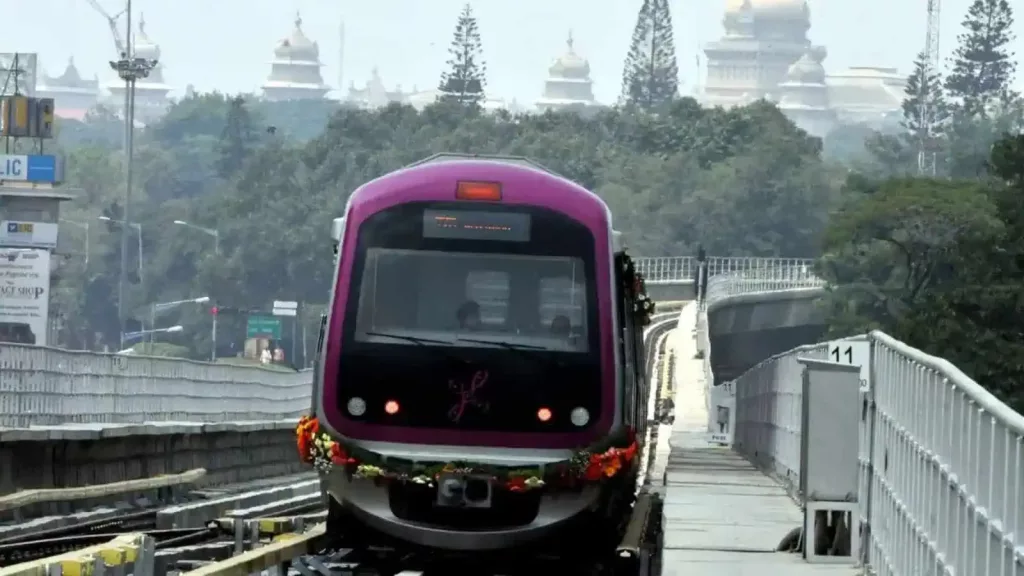
Bengaluru : The long-pending approval for Namma Metro Phase-3 is expected to receive a significant boost after a draft report prepared by RITES Ltd, a central public sector enterprise, concluded that the project remains economically viable even after the inclusion of the proposed double-decker corridor.
According to official sources, the report estimates that the 44.65-kilometre Phase-3 project will achieve an Economic Internal Rate of Return (EIRR) of 15.9 per cent. This is higher than the 14 per cent benchmark generally required for metro rail projects to secure approval from the Central Government.
The development is being viewed as a major positive step for Bengaluru’s expanding metro network, as the project had been awaiting fresh clearance following substantial modifications to its original design.
When the Central Government granted approval to the Phase-3 project on September 13, 2024, the proposal did not include a double-decker viaduct. Subsequently, the Karnataka Government decided to integrate a double-decker system at an additional cost of approximately ₹9,700 crore to accommodate both a flyover and metro corridor on the same structure.
Also ReadKarnataka to add 5,000 new buses to ease Shakti scheme pressure
The state government argued that the double-decker arrangement would help address Bengaluru’s growing traffic congestion while also reducing the need for future road-widening projects along the corridor.
However, the revised proposal attracted scrutiny from the Ministry of Housing and Urban Affairs (MoHUA). The ministry reportedly raised concerns regarding the socio-economic feasibility of the project, questioning whether the construction of a flyover directly above the metro alignment could reduce metro ridership by encouraging greater use of private vehicles.
To assess the revised project’s viability, RITES was tasked with conducting a detailed evaluation.
According to the draft findings, although the inclusion of the double-decker corridor has reduced the project’s EIRR from the originally estimated 17.04 per cent to 15.9 per cent, the figure remains comfortably above the minimum threshold required for approval.
Sources familiar with the matter said the ministry’s concerns were primarily technical in nature and that the RITES report has adequately addressed those issues. Officials are optimistic that the final report will largely mirror the conclusions of the draft assessment, improving the project’s chances of securing clearance.
The proposed Phase-3 network consists of two major corridors. The first is a 32.5-kilometre route connecting JP Nagar 4th Phase and Kempapura via the Outer Ring Road (ORR). The second is a 12.15-kilometre corridor linking Hosahalli and Kadabagere through Magadi Road.
Together, the two corridors are expected to significantly improve connectivity across key growth corridors of Bengaluru and support the city’s long-term transportation requirements.
The issue also figured prominently during Deputy Chief Minister D.K. Shivakumar‘s visit to New Delhi on Wednesday. During a meeting with Union Minister for Housing and Urban Affairs Manohar Lal Khattar, Shivakumar urged the Centre to approve the double-decker corridor proposal, citing Bengaluru’s worsening traffic congestion and future infrastructure needs.
He also sought early approval for the revised cost of Namma Metro Phase-2, which has reportedly escalated to ₹40,425.02 crore due to various project-related factors.
With the RITES assessment indicating that the revised Phase-3 project continues to meet the Centre’s economic viability standards, officials believe the proposal is now in a stronger position to secure final approval and move towards implementation.
Get the latest updates in Hyderabad City News, Technology, Entertainment, Sports, Politics and Top Stories on WhatsApp & Telegram by subscribing to our channels. You can also download our app for Android and iOS.